Shipping without regressions: the QA workflow we trust
Quality is not a phase at the end of a project — it is a property of how you work. This is the QA workflow that lets us ship fast without breaking what already works.
By Lakat Team
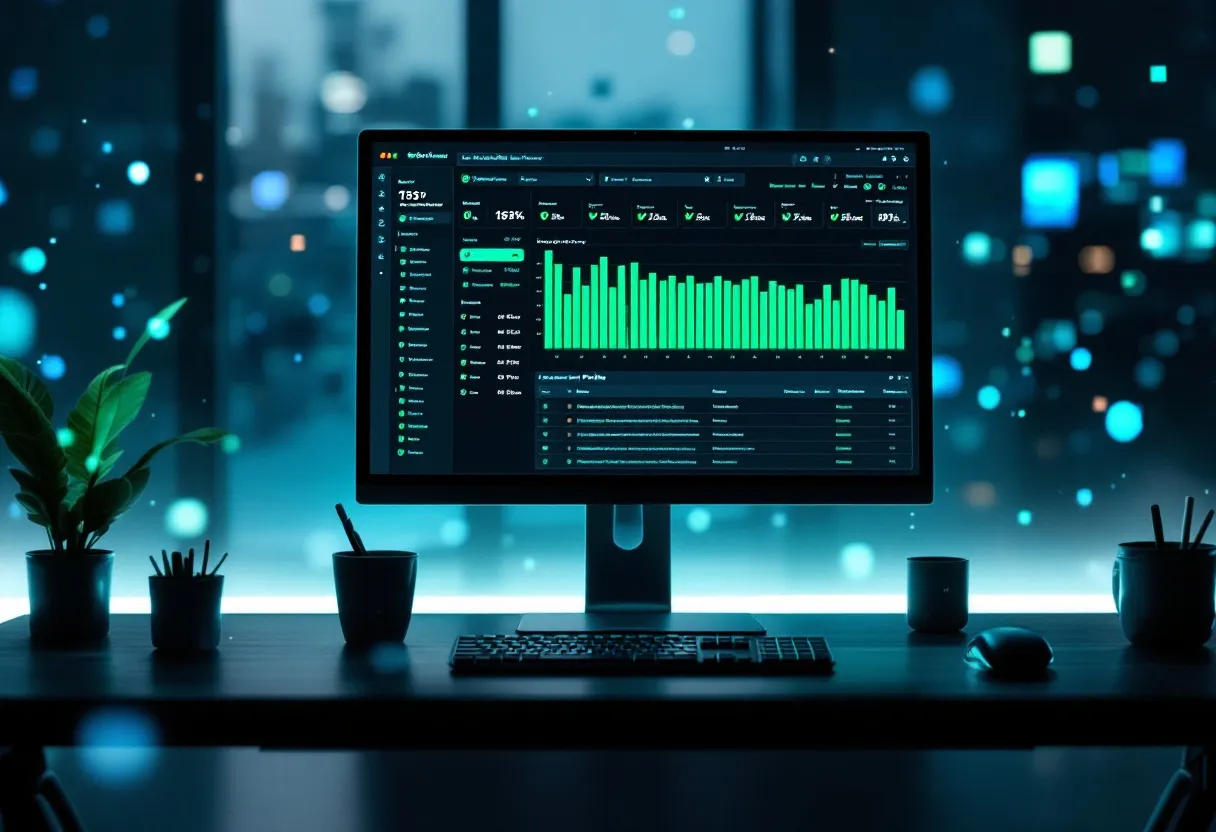
The fastest teams are not the ones that skip testing. They are the ones who never have to stop and ask “did this change break something we shipped last month?” Regressions are the silent tax on velocity — and the whole point of a good QA workflow is to remove them from the critical path.
We treat quality as a property of how we work, not a gate at the end. That distinction changes everything about the workflow.
Automate the boring, protect the important
Not every test is worth writing, but the ones that guard your core flows are non-negotiable. We automate the paths that would cost real money if they broke — checkout, auth, data integrity — so a failing pipeline stops a regression before it ever reaches a user.
Automation buys back human attention. When machines confirm that yesterday’s features still work, testers can spend their time where humans are irreplaceable: exploratory testing, edge cases, and the “this feels wrong” judgement no assertion captures.
Catch it left, not right
The cost of a bug rises sharply the later you find it. A broken assumption caught in code review costs minutes; the same bug caught in production costs an incident, a hotfix, and eroded trust. So we push testing left — into pull requests, into type systems, into the build itself.

A pull request that can’t pass its checks doesn’t merge. That single rule prevents an entire category of “how did this get to production” conversations.
A definition of done that includes done
Most missed regressions trace back to a fuzzy definition of “done”. We make it explicit: a feature is done when it works, its tests pass, its edge cases are handled, and it hasn’t degraded anything adjacent. Anything less is “in progress” wearing a merged label.
None of this slows a project down. It is the opposite — the confidence to ship on Friday afternoon comes entirely from knowing the net beneath you holds.